Creators
Pinterest Affiliate Marketing for Beginners (Step-by-Step)
A beginner-friendly path to affiliate income with Pinterest — niche selection, link placement, pin formulas, disclosures, and tracking that actually helps you improve.

PintDownload Team
· 10 min read · 639 words
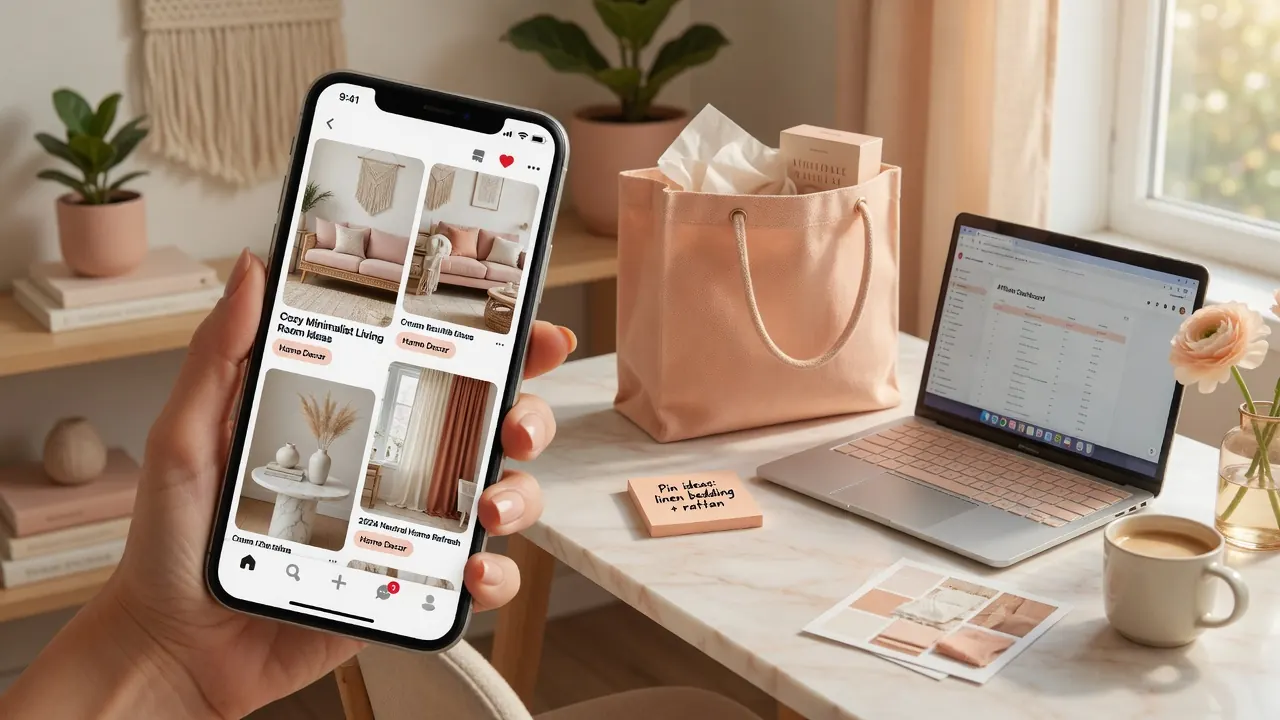
Pinterest affiliate marketing means you create pins (and often blog posts) that recommend products. When a reader buys through your tracked link, you earn a commission. You are not inventing a product on day one — you are matching search intent with honest recommendations.
This walkthrough is for beginners who want a clean, ethical setup. No “secret hacks,” no private board scraping schemes — just a system you can run a few hours a week.
1. Pick a niche with buying intent
Affiliate works best when people are already comparing options. Favor niches where a $20–$200 purchase is normal:
- Kitchen gadgets & meal-prep tools
- Skincare routines & beauty tools
- Baby gear & nursery organization
- Home office chairs, lights, and stands
- Travel packing & carry-on essentials
Avoid niches you hate. You will write product comparisons for months; boredom shows in thin content.
2. Join 1–3 affiliate programs (not twenty)
Start simple:
- A large marketplace program for broad products
- One or two specialty networks or brand programs in your niche
Save your login, cookie window length, and commission rates in a notes doc. Know whether links expire and whether you need a blog URL for approval.
3. Decide: pin → product page or pin → blog post?
Direct to product is faster to set up. Good for list-style boards (“Best under-sink organizers”).
Pin → blog post → product often converts better long term: you can compare options, show photos, and collect emails. Pinterest also tends to reward destination pages that feel like real content.
Beginners: launch 5 direct pins while you draft one solid comparison article. Then move winners to the blog funnel.
4. Write pins that sell without sounding spammy
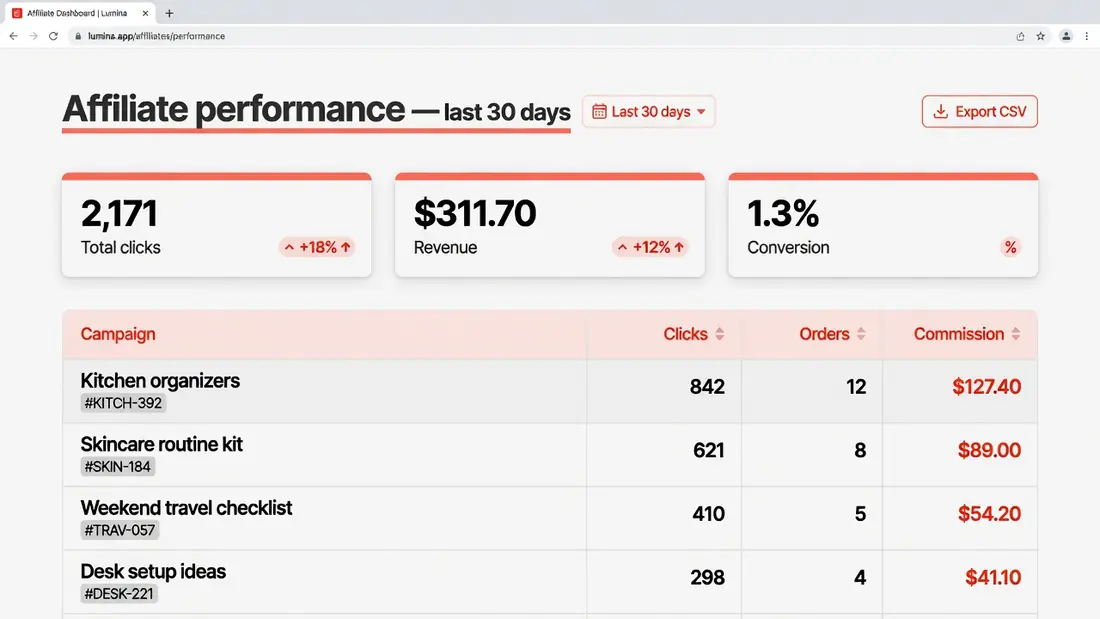
Formula that works for beginners:
- Headline: specific benefit + audience (“Under-sink organizers for tiny kitchens”)
- Image: real lifestyle photo or clean product-in-context shot
- Description: 2–4 sentences with a natural keyword and a soft CTA
- Disclosure: where required, say you may earn a commission — short and clear
Never hide that a post is monetized. Trust is part of conversion rate.
5. Track the right metrics
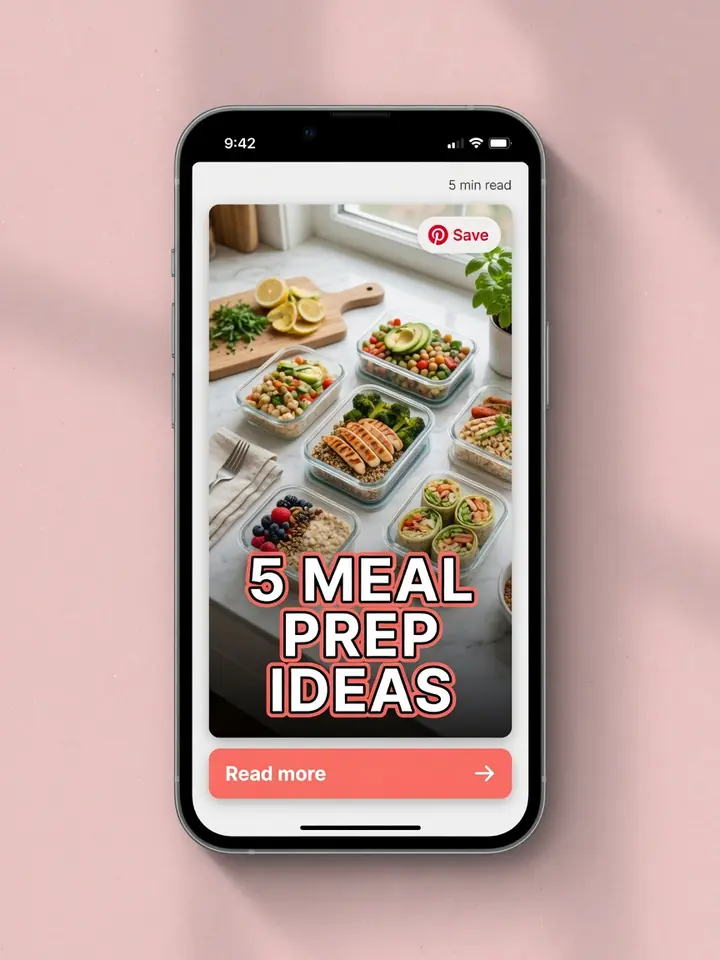
Connect your affiliate dashboard to a simple weekly review:
- Which pins drove outbound clicks?
- Which links earned commissions (even tiny ones)?
- Which boards feed those winners?
Double down on winning angles. Retire pins that get impressions but zero clicks after a fair test window (often 3–6 weeks).
6. Research competitors ethically
Study top pins in your niche: colors, text length, seasonal hooks. Use PintDownload to save public reference pins offline while you design originals. Do not re-upload someone else’s creative with your affiliate link — that damages trust and can violate terms.
- Image downloader for still references
- Board ZIP for niche moodboards
- Video MP4 for product demo study (offline)
Common beginner mistakes
- Too many niches at once
- Linking every pin to a homepage instead of a specific product or post
- Ignoring mobile readability
- No disclosure
- Quitting after two quiet weeks
Save public pins while you research
Paste a public pin or board link and keep offline references for your swipe file.
Frequently asked questions
How much can beginners earn?
It varies wildly by niche, country, and consistency. Many people earn their first $10–$100 after weeks of testing, then scale with more content — not with one viral pin.
Do I need a website?
Not strictly, but a simple site or free blog makes approval, disclosures, and email capture easier.
Is Amazon the only option?
No. Specialty programs often pay better rates on fewer, higher-intent products.
Related tools: Pinterest Pin Downloader · Pinterest Video Downloader · Pinterest Board Downloader · Pinterest Profile Downloader
More in Creators
Keep reading
-
 Creators The 6-Figure Viral Pin Swipe File Strategy: How Top Creators Reverse-Engineer Pinterest Content 14 min read
 -
 Creators How to Make Money on Pinterest Without a Blog or Website (2026 Guide) 13 min read
 -
 Creators How Small Businesses & Etsy Sellers Can Explode Sales on Pinterest 14 min read
 -
 Creators How to Start a Passive Income Printables Business with Pinterest Marketing 15 min read